If you are following Stichting Treehouse Coaching for a while or more recently, you know that it was built on a simple but ambitious premise: coaching should be accessible to everyone. Especially those who may need it the most and may be the farthest away from accessing it.
To achieve its ambitions, we thought that the most impact could be made by setting up a non-profit, where coaches and volunteers who truly support the foundation’s mission can serve communities that are largely excluded.
Treehouse Coaching finds its roots in Amsterdam and works with a diverse network of local, regional, and international coaches (at present we represent 9 languages!). Given our presence and mission in the Netherlands, the team filed an application to become a public benefit organisation called Algemeen Nut Beogende Instelling, (ANBI for short) with the Dutch tax authorities.
You might have seen the ANBI acronym on the website, newsletters or elsewhere. But what does it actually mean? Is it just bureaucratic paperwork, or does it change how we operate?
Whether you are a coach, a seeker of support, or a donor, read about why the ANBI status matters for Treehouse Coaching, and what it means in practical terms.
Why being a charity is central to Treehouse Coaching’s mission
From the start, Treehouse Coaching was created to widen access to coaching. Too often, coaching is reserved for those with corporate budgets or private means. We wanted to take a different path, one where coaching could reach people navigating transitions who might otherwise go without support. Being a charity gives structure to that intention, ensuring that every resource flows directly into our mission rather than private gain.
The foundation grew out of conversations between coaches, friends, and supporters who believed in the power of coaching but recognized the limits of the traditional model. We asked ourselves: if coaching can help people reconnect with their strengths, creativity, resilience, and potential, how can we make it more widely available? Establishing Treehouse Coaching as a charitable foundation was our answer, a structure explicitly oriented toward the public good.
While ethical, values-driven coaching is possible in a for-profit model, we wanted the mission to sit at its center. A charitable structure makes that commitment visible and protected: purpose first, profit never.
This clarity has also helped us build a network of coaches committed to something bigger than themselves. The foundation provides a shared space for coaches to offer their time, care, and expertise to people who might never otherwise encounter coaching.
Beyond individual coaching sessions, something else happens at Treehouse Coaching. People arrive from very different worlds: someone rebuilding their career after displacement, a young professional navigating burnout, an artist searching for direction, or a community leader carrying the responsibility of supporting others. In coaching conversations, stories emerge that rarely meet in everyday life. One person speaks about finding their place in a new country, another about growing up with opportunity but struggling with purpose.
The foundation becomes more than a coaching space. It becomes a place of encounter and encountering. A space where experiences, knowledge, and stories move across boundaries of background, privilege, and community. In a city where many of us live in parallel worlds, Treehouse Coaching creates something different: connections between people who might otherwise never have crossed paths.
It is my deep hope that this foundation can support, hold space, co-create, and imagine a new and healthier ecosystem in Amsterdam.
Why was ANBI status crucial, and how does it connect to Stichting Donateursbelangen?
ANBI status is infamous for being tough to get! I had no experience in writing an ANBI application and the process itself was daunting. In the Netherlands, this status, granted by the Belastingdienst (Dutch Tax Authorities), confirms that an organization operates primarily for societal benefit, with strict requirements for governance, transparency, and use of funds.
I noticed a mistake in the documentation just after submission and was certain the application would be denied. I frantically called the Belastingdient, explained what had happened and the person on the phone asked me to put my mistake in writing with a proposed amendment to the mistake. That’s what I did and our ANBI status was approved several weeks later in one go!
For Treehouse Coaching, ANBI status formally acknowledges that it exists for the public good. For us, it gives donors confidence that every contribution directly expands access to coaching, without private profit.
Beyond legal recognition, ANBI status strengthens trust with donors, partner organizations, and volunteer coaches. It signals that Treehouse Coaching operates with accountability, clarity, and transparency, which is essential for a purpose-driven foundation. In fact, in speaking with the City of Amsterdam, political parties, our financial institutions, and colleagues at other foundations, it’s one of things that emerges in the conversations.
To further reinforce that trust, we joined Stichting Donateursbelangen, which safeguards donor rights and best practices. I was very proud when we passed their audit and were able to use their badge on our website! While ANBI defines our public benefit purpose, this affiliation adds an extra layer of reassurance: a commitment to responsible stewardship for everyone supporting our mission.
You mention the “infamous complexity of ANBI”, how complicated is it to get ANBI status?
Obtaining ANBI status is rigorous but rewarding. The Belastingdienst requires organizations to demonstrate a clear public benefit, maintain transparent governance, and keep detailed financial records. Board members must not personally profit, and the mission must be explicit and protected.
While the application requires careful documentation, it’s more about clarity, intention, and governance than legal complexity. For Treehouse Coaching, the process helped us formalize values, structure contributions, and build a foundation that inspires confidence among donors, coaches, and clients alike. At the core, these principles already existed in what we were doing, but articulating it and formalizing it in a written document was actually a neat experience.
What does ANBI status mean for coaches?
For the coaches contributing to Treehouse Coaching, ANBI status shapes both spirit and structure. Many coaches generously offer pro bono hours (for which we are deeply grateful) or a mix of pro bono and below-market compensation. This approach allows us to honor coaches who may have limited means while still acknowledging their expertise and time.
Importantly, coaches serving on the Board and Advisory Circle do not receive any remuneration, ensuring governance roles remain fully dedicated to the mission. Diana Whitmore, for example, is part of our Advisory Circle and I am thrilled that she is supporting our mission with her impressive work and experience in positive and transpersonal psychology, coaching, and deep knowledge of running foundations, such as Growing2gether in Findhorn, Scotland.
ANBI status formalizes this principle, providing a transparent framework where coaches can contribute in ways aligned with their values and the foundation’s purpose.
The result is a network of coaches committed not just to individual clients, but to a collective purpose: widening access to high-quality coaching in a way that is ethical, sustainable, and inclusive.
What does ANBI status mean for people seeking coaching?
For our coachees, ANBI status means greater access, fairness, and trust. Resources through donations, grants, or partnerships are what allows us to serve the mission and offer pro bono, subsidized, or below-market coaching without compromising quality.
It also signals transparency and accountability. Clients can trust that coaches and board members are acting in service of the mission, not personal profit. Simply put, ANBI status ensures that Treehouse Coaching is built on a foundation of public good: the client’s growth and wellbeing always come first.
What’s next for Treehouse?
ANBI status was never the end goal, it’s a tool to help us move toward our true purpose: a world where everyone has access to the support they need to grow, navigate change, and thrive.
It allows us to stand firmly on our values, work transparently, and create a foundation where coaching is a right, not a privilege. It strengthens our ability to connect with coaches, donors, and clients in ways that are ethical, sustainable, and mission-driven.
Whether you are a coach, a donor, or someone who has found a safe and supportive space with us, you are the reason this ANBI status matters, and the reason Treehouse Coaching can continue to expand its reach and impact.
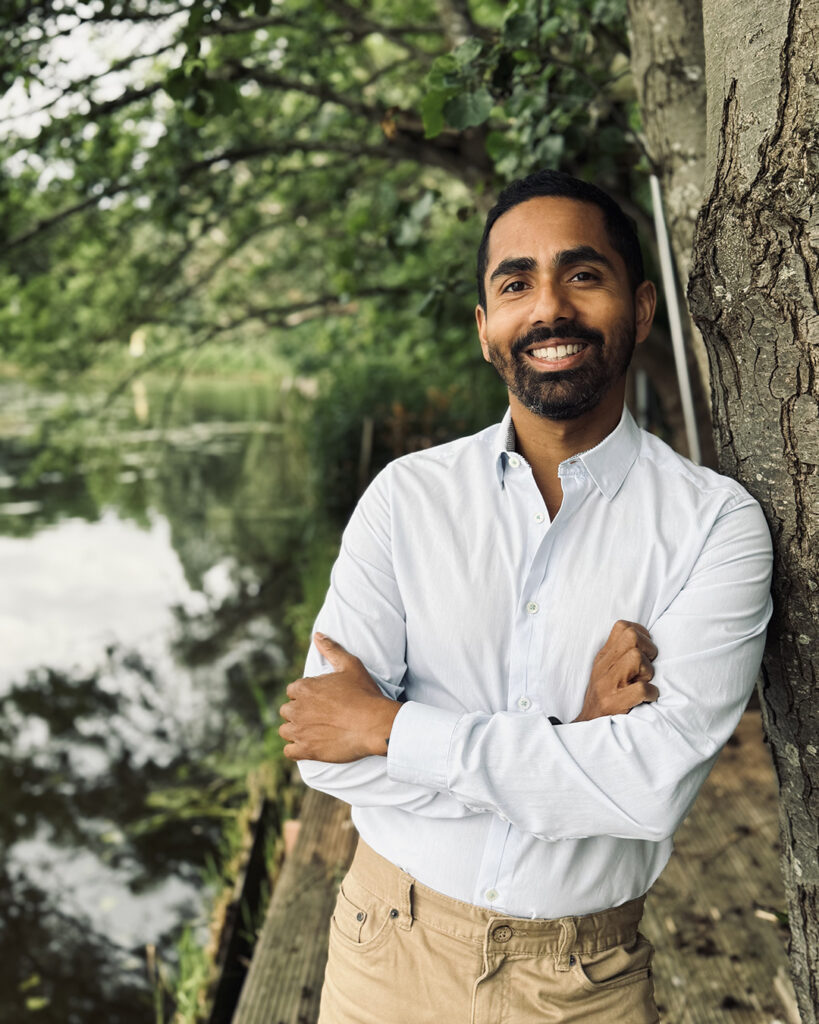
Kai Kaldewaaij
Co-Founder and Executive Director, Stichting Treehouse Coaching
Want to support our mission? As an ANBI, your donation is tax-deductible and goes directly to making coaching accessible for all. Visit our page to support our mission